
Northern Virginia paint takes a beating from four different directions. Summer UV, hard water from the Potomac watershed, winter road salt, and spring pollen all attack your finish — usually at different times of year, and always while you're not paying attention. Here's exactly what's happening, and how to stop it.
Most Fairfax-area drivers notice damage only after it's already severe — dull paint, water spots that won't wipe off, white oxidation on trim, or rust starting around door edges where salt got trapped. What they don't realize is that this damage starts accumulating from day one and compounds every season. The good news: with the right protection routine, most of it is completely preventable.
The Four Paint Threats Unique to Northern Virginia
NoVA paint isn't fighting one enemy — it's fighting four, on a rotating seasonal schedule. Understanding what's hitting your finish and when is the first step in building a real protection plan.
1. UV Radiation (Summer)
UV degrades the molecular structure of your paint's clear coat, causing it to become porous and dull. Once the clear coat is compromised, the color coat underneath begins to oxidize — that's what creates the chalky, faded appearance you see on older neglected vehicles. NoVA's humid summers compound the damage: high humidity plus 90°F surface temps speeds clear-coat breakdown beyond what dry-heat climates produce.
2. Hard Water Spotting (Year-Round)
Fairfax County and the surrounding region pull drinking water from the Potomac and Occoquan watersheds — both carry moderate to hard mineral content. When that water sits on warm paint and evaporates, it leaves mineral deposits that can etch into the clear coat. Sprinkler overspray, summer thunderstorms, and washing in direct sun are the biggest culprits. See our full water spot removal guide for the severity-by-severity breakdown.
3. Winter Road Salt & Brine (December–March)
VDOT and Fairfax County apply rock salt and brine multiple times per winter. Salt brine left on paint isn't just an aesthetic problem — it's chemically active. The chloride ions slowly degrade clear coat and accelerate corrosion anywhere the salt finds bare metal: stone chips, door edges, undercarriage seams. A bad winter can age unprotected paint by a year in 90 days.
4. Spring Pollen (April–May)
NoVA pollen season is brutal — pine, oak, and grass pollen blanket every horizontal surface for 6-8 weeks. The yellow-green film isn't inert; pollen is mildly acidic, and when it gets wet from morning dew or rain, it bonds chemically to clear coat. Leave it for a few weeks and you can be looking at permanent etching, especially on hoods and roofs.
Clear Coat Dulling
Paint loses depth and shine. Looks dull or hazy in direct sunlight. Still fully intact — easily reversible with polish and fresh protection.
Surface Oxidation & Etching
Clear coat begins breaking down. Water spots are visible from multiple angles. Paint correction can still restore this, but it takes more work.
Deep Damage & Failure
Clear coat has failed. Paint peeling, deep etching, or salt corrosion. Requires professional paint correction or panel respray — expensive to fix.
- Paint looks dull or hazy even after washing — early clear-coat breakdown
- White or chalky patches on horizontal surfaces (hood, roof, trunk)
- Hard-water rings or chalky residue that won't wipe off
- Yellow-green pollen film that returns within days of washing
- Rust spots starting around stone chips, door edges, or wheel wells
- Plastic trim pieces turning gray or white instead of staying black
Your Protection Options — Ranked
Not all paint protection is equal — especially in a climate with four different threats. Here's an honest ranking from strongest to weakest, so you can make an informed decision about what your vehicle actually needs.
Ceramic Coating
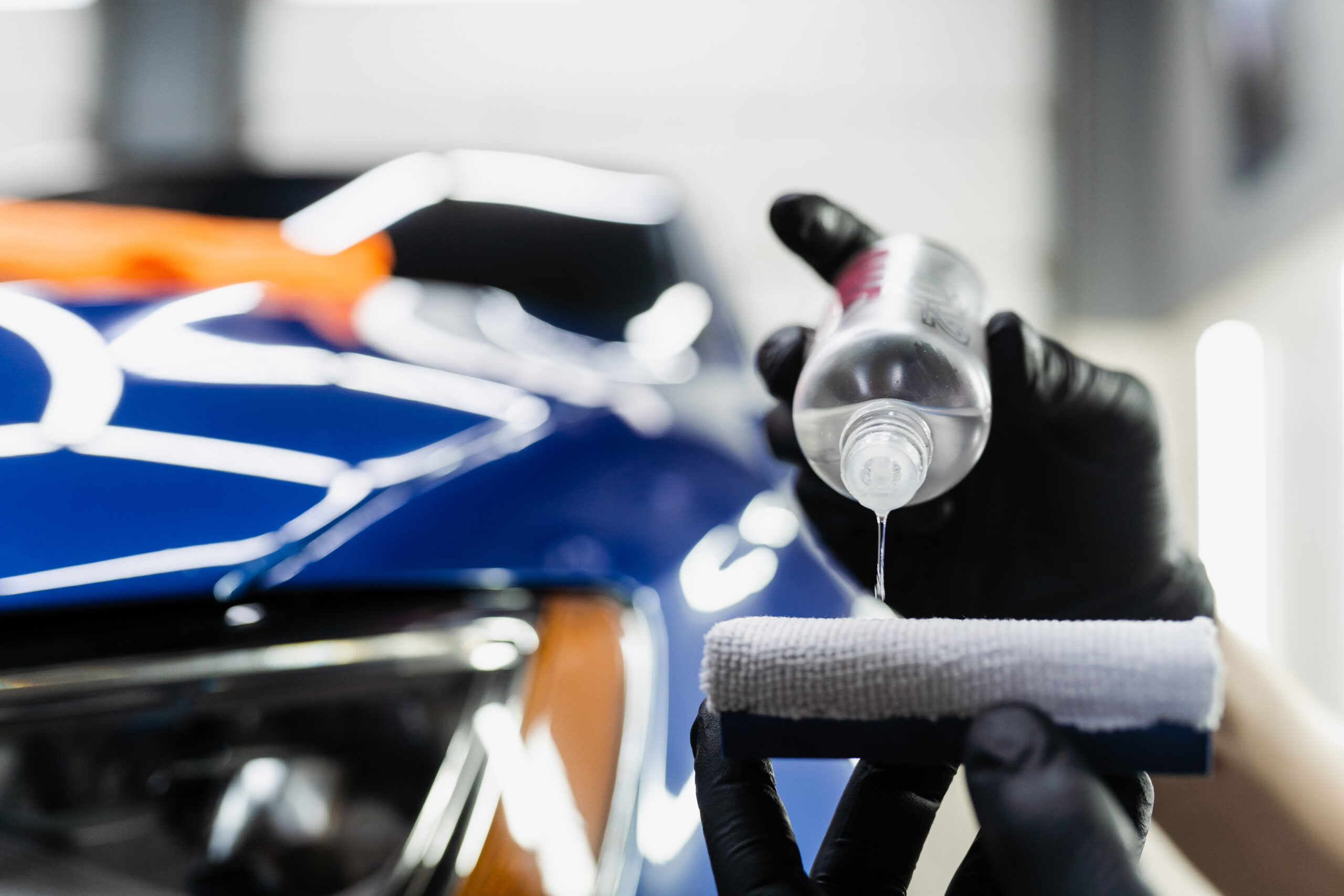
A liquid polymer that chemically bonds with your paint, forming a semi-permanent protective layer. Provides UV blocking, hydrophobic water beading, chemical resistance against pollen and salt brine, and a brilliant, deep shine. The only protection that addresses all four NoVA threats with one application. See our full ceramic coating guide.
Years
Paint Sealant
A synthetic polymer applied over the paint surface. Better UV protection than wax and more durable, but doesn't chemically bond to the paint like ceramic. Good maintenance choice between ceramic coating applications, or for owners who can't justify the ceramic cost.
Months
Carnauba Wax
Natural wax providing a warm, deep shine and light UV protection. Breaks down faster in NoVA's humid summer heat — needs reapplication every 6-8 weeks to stay effective. Good for maintained vehicles between proper protection cycles, not adequate alone for year-round NoVA exposure.
Weeks
No Protection / Drive-Thru Wash Only
Washing removes dirt but provides zero ongoing UV protection, and drive-thru washes actively damage paint. In Northern Virginia, running unprotected paint through summer UV, winter salt, and spring pollen is a guaranteed path to Stage 2 or Stage 3 damage within a few years.
Protection
In Northern Virginia, you're not fighting one threat — you're fighting four. Carnauba wax breaks down in humid summer heat, sealants miss pollen bonding, and basic washes don't touch salt brine. Ceramic coating is the only single solution that addresses all four.
— Bravus Detailing Team, FairfaxThe Complete NoVA Protection Routine
Here's a practical, prioritized routine for keeping your vehicle protected year-round in the Northern Virginia climate. Follow this and your car will look significantly better — and be worth more — than virtually every other vehicle on the road at trade-in.
-
Get Ceramic Coating Applied
The foundation of everything. A professional ceramic coating applied once every 2-5 years protects your paint from UV, hard water, pollen, and salt brine far better than any other single investment. In NoVA specifically, it's the only protection that addresses all four seasonal threats with one application.
-
Professional Detail Every 4–6 Weeks
Regular professional detailing removes pollen, salt residue, hard water spots, and contaminants that accumulate between major protection cycles. It also lets a trained technician spot early-stage issues before they become expensive. Mobile detailing means you don't even need to leave home or work.
-
Wash Within 24 Hours of Salt Application
VDOT salt and brine sit on paint and undercarriage until something removes them. Don't let salt cure for a week — get it off within a day or two. This single habit prevents more winter paint damage than any product on the market. Make sure the wash includes an undercarriage flush.
-
Remove Pollen Promptly in Spring
During pollen season (April-May), wash weekly or after any rain that activates the pollen layer. Don't let pollen sit and bond — that's how Stage 1 dulling turns into Stage 2 etching by summer. A quick pre-rinse with deionized water makes pollen removal much easier and prevents the smearing you get with a contact wash on heavy pollen film.
-
Dry After Every Wash — Never Air-Dry
NoVA tap water leaves mineral deposits when it evaporates. Always dry your paint immediately with plush microfiber drying towels. A leaf blower also works for getting water out of mirrors, trim, and badge crevices. Drying takes 5 minutes and prevents 90% of water spot damage.
-
Address Damage Early — Don't Wait
If you notice dullness, water spots that won't wipe off, or rust starting at stone chips, don't wait. Paint correction at Stage 1 is a fraction of the cost and effort of Stage 3. A professional detailer can assess paint condition and recommend the right correction before applying fresh protection.
Why Ceramic Coating Is the NoVA Multi-Tool
Ceramic coating gets mentioned a lot in this guide because it genuinely is the most important single thing Northern Virginia vehicle owners can do for their paint. Here's the science behind why it works so well in a multi-threat climate specifically.
Standard paint protection products — wax, spray detailers, even paint sealants — sit on top of your clear coat as a physical layer. Heat dissolves them. Chemical exposure strips them. Pollen and salt bond around them. They're maintenance solutions, not protection solutions.
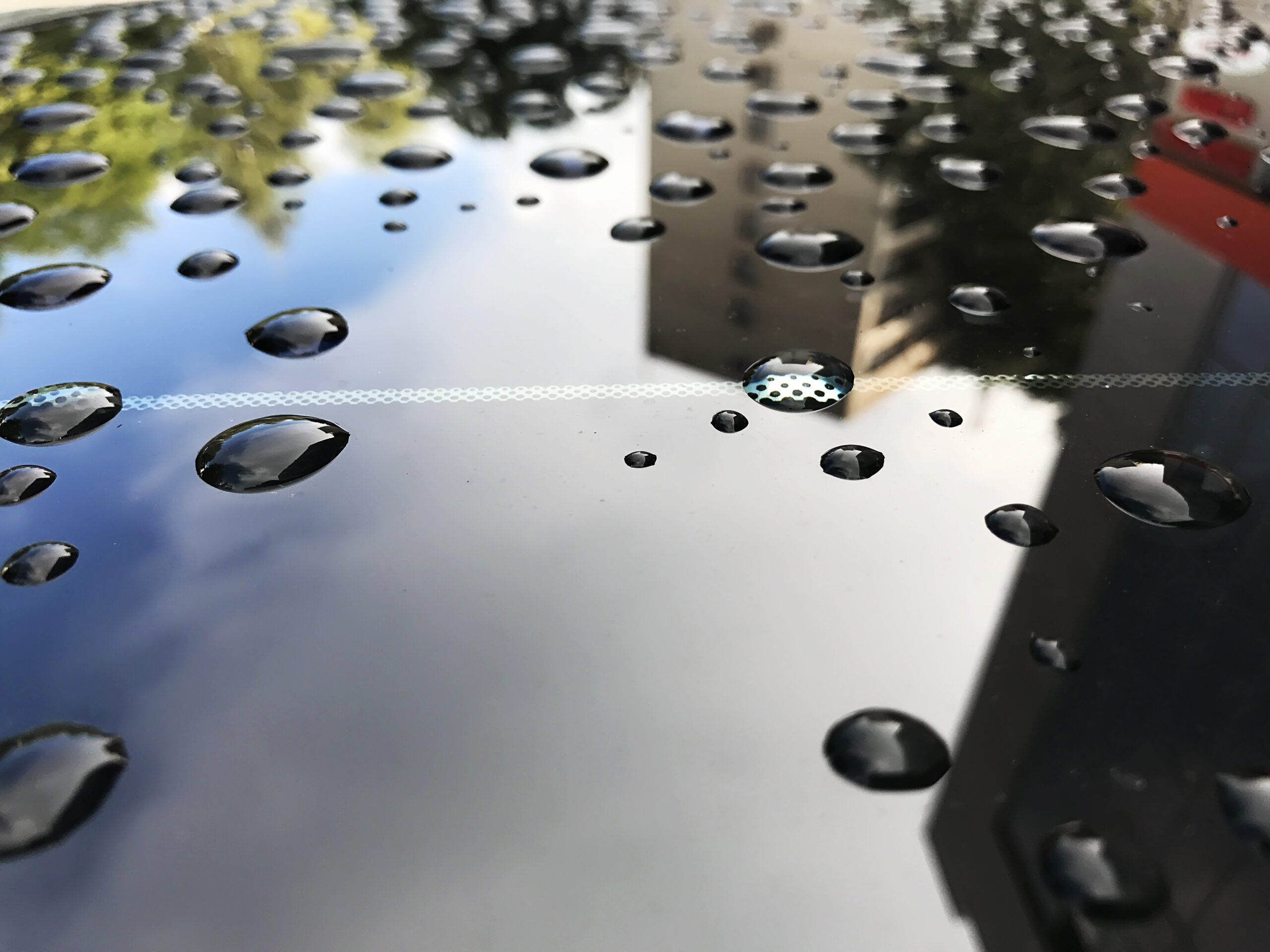
Ceramic coating is different because it doesn't sit on top — it chemically bonds into the clear coat, becoming part of the surface at a molecular level. The resulting layer has a hardness rating of 9H (compared to most paint at 2H–4H), blocks UV radiation, sheds water hydrophobically so spots barely form, resists chemical attack from pollen and salt brine, and is easy to wash even after a bad pollen week or salty winter drive.
- Blocks UV that causes summer paint oxidation
- Hydrophobic surface — water and dissolved minerals bead off instead of spotting
- Resists chemical etching from pollen, bird droppings, and tree sap
- Acts as a barrier against winter salt brine and chloride corrosion
- 9H hardness — minor scratch and swirl resistance
- Makes every future wash easier — pollen and salt don't bond as aggressively
Don't Forget the Interior
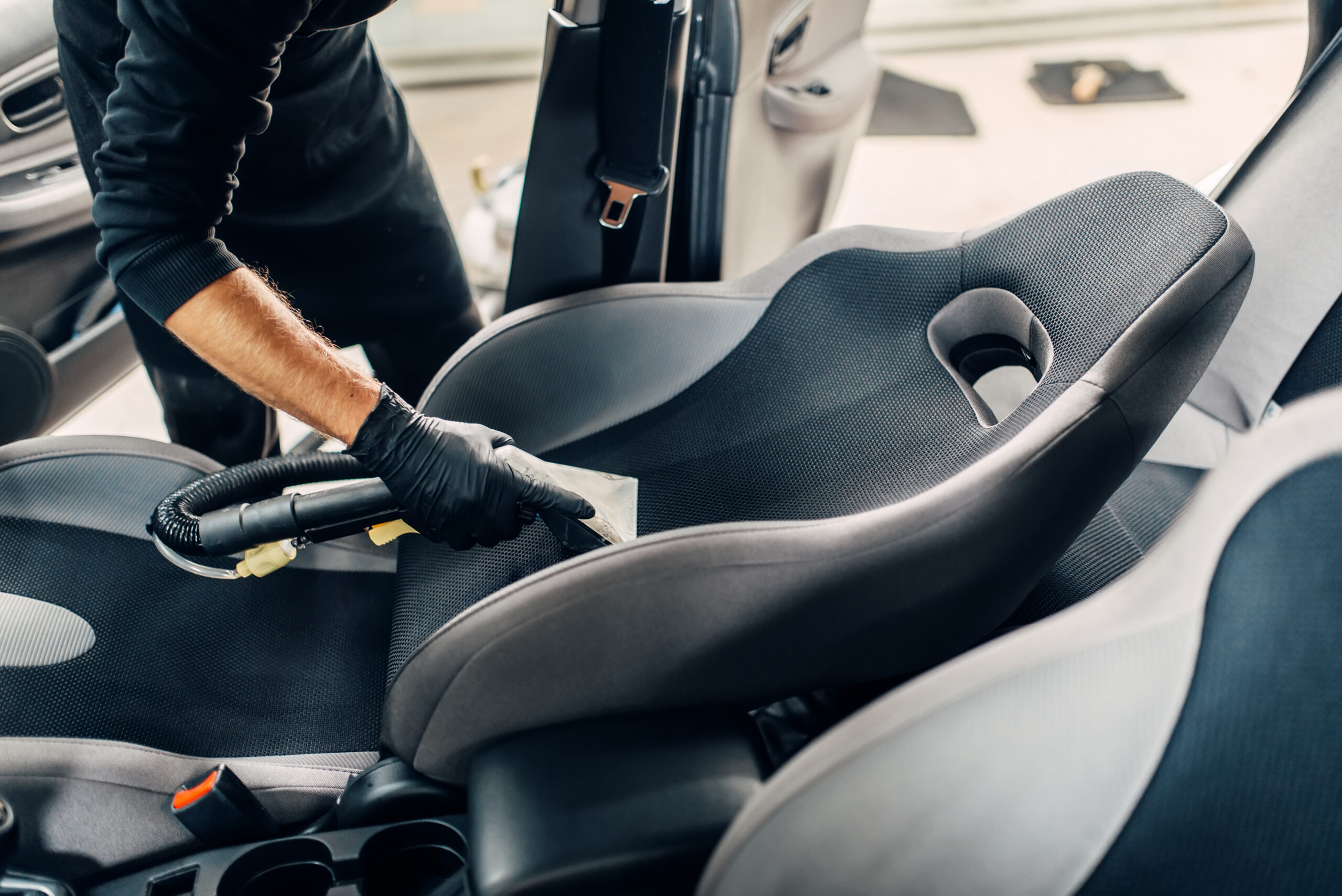
Most owners focus entirely on exterior paint when thinking about weather protection — but your interior is equally vulnerable. UV through the windshield bakes the dashboard. Humidity creates leather mildew if seats aren't conditioned. Pollen gets tracked in and grinds into carpet fibers. Salt residue from boots eats at floor mats and undercarpet padding.
A dashboard replacement on a modern vehicle can easily run $1,000-$3,000. Leather seat restoration is hundreds of dollars per panel. The interior damage you see in older NoVA vehicles didn't happen overnight — it accumulated over years of neglect.
- Windshield sunshade — Reduces dashboard temps in summer. Cheapest, most effective daily habit.
- Leather conditioning — Every 3-4 months keeps leather supple, prevents cracking through temperature swings.
- UV-blocking window tint — Rejects up to 99% of UV. Protects occupants and interior surfaces all day.
- Floor mat upgrades for winter — All-weather rubber mats catch salt and slush before it hits carpet.
- Pollen vacuuming in spring — Pollen tracked into the cabin gets ground into upholstery and HVAC filters.
How Bravus Protects Northern Virginia Vehicles
At Bravus Auto Detailing, we've spent years working specifically on Northern Virginia vehicles. We understand the multi-threat damage patterns that NoVA's seasons create, and we've built our service offerings around solving them at your location — no driving across the county.
Every vehicle we service gets inspected by an experienced technician who assesses the current paint condition and recommends the right level of correction and protection. We don't apply ceramic coating over degraded paint — if your paint needs paint correction first, we'll tell you and handle that before sealing damage in permanently.
Our deionized water system ensures no mineral deposits are left behind after washing — a real problem in Fairfax County where tap water is moderately hard. Our LED lighting setup catches every swirl, scratch, and imperfection that less-equipped services miss. And because we come to you, your car never sits in a shop parking lot collecting pollen while you wait.
More From the Bravus Blog
Frequently Asked Questions
Four threats dominate NoVA paint damage: UV radiation in summer, hard water spotting from the Potomac watershed, winter road salt that accelerates corrosion, and spring pollen that becomes acidic when wet. A proper protection routine has to address all four — focusing on only one leaves the others to do damage year-round.
On unprotected paint, visible Stage 1 dulling typically shows up within 2-3 years and surface oxidation by year 4-5. NoVA summers are humid and hot enough (90s with 70%+ humidity) to compound UV damage, especially on horizontal surfaces like hoods and roofs that take the most direct sun.
Yes — and not just the obvious rust on bare metal. Salt brine left on painted surfaces is alkaline and corrosive, slowly eating into the clear coat and degrading rubber trim and seals. Winters with multiple salt applications in Fairfax County can cause real paint damage if vehicles aren't washed regularly through the season.
NoVA spring pollen is acidic and bonds aggressively to paint when it gets wet from morning dew or rain. Left untouched for weeks, it can etch the clear coat. The yellow film you see in April and May isn't just visual — it's chemically active.
For a daily driver you plan to keep more than 2-3 years, yes. Ceramic coating addresses UV, hard water spotting, pollen bonding, and salt brine in a single permanent layer. The protection more than pays for itself in preserved resale value and reduced detailing costs over time.
Within 2-3 days of any salt or brine application, ideally. Letting salt sit on paint for a week or more during winter is when real damage starts. Many NoVA owners switch to a regular mobile detail schedule through winter for exactly this reason — getting under the car to flush the salt is as important as washing the panels.
Protect Your Paint Before It's Too Late
Get a free quote for ceramic coating or full detailing. We come to you anywhere in Northern Virginia.
Get My Free Quote